Contact us
|
Whatsapp
Whatsapp:+86 13889850231
Whatsapp:+86 13889850231

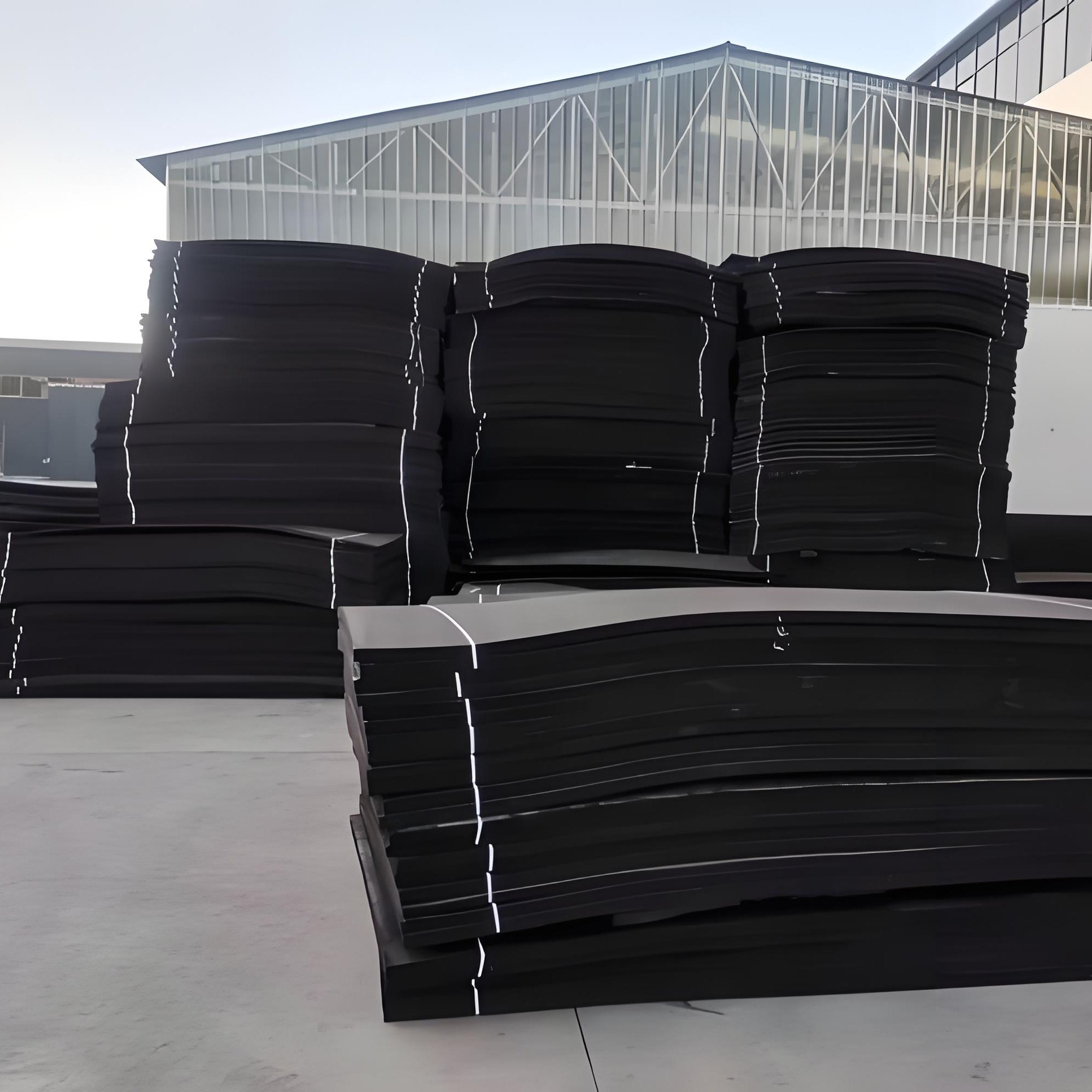
Industry News: Asphalt-Impregnated Wood Board Makes a Comeback in Sustainable Construction
The Revival of a Time-Tested Material with Modern Performance
[City, Date] – Once considered a traditional building material, asphalt-impregnated wood board is experiencing a resurgence in the construction industry, driven by its unique combination of sustainability, durability, and cost-effectiveness. Recent innovations in manufacturing processes have elevated this century-old material to meet modern performance standards, making it an attractive choice for architects and engineers seeking eco-friendly solutions.
Market Growth & Trends:
The global asphalt-impregnated wood board market is projected to grow at 6.8% CAGR through 2027 (Transparency Market Research)
LEED v4.1 now recognizes asphalt-wood composites as contributing to recycled content credits
42% of surveyed architects specify these boards for moisture-sensitive applications (2023 AIA Materials Survey)
Key Developments:
1️⃣ Next-Gen Formulations
Bio-based asphalt modifiers derived from lignin reduce petroleum content by 30%
Fire-retardant versions achieve Class A ratings without PFAS chemicals
2️⃣ High-Profile Applications
Featured in the new Oslo Fjord Sauna Complex for marine-grade performance
Specified for 80% of Seattle's recent passive house projects as thermal break solution
3️⃣ Circular Economy Impact
New reclamation processes allow 90% material recovery at end-of-life
European manufacturers achieving 50% recycled wood fiber content
Performance Innovations:
Thermal Breakthroughs: R-values improved to 1.8 per inch with aerogel additives
Digital Fabrication: CNC-precise cutting now enables complex architectural geometries
Industry Perspectives:
"We're seeing 25% cost savings compared to synthetic underlayments, with equal or better performance in our moisture testing," reports [Senior Architect, Leading Sustainable Design Firm].
Emerging Applications:
Mass Timber Construction: As interlayer moisture protection
Historic Restoration: Matching original early 20th century specifications
Modular Building: Lightweight yet durable panel cores
Standards Update:
ASTM D350 now includes accelerated weathering tests for asphalt-wood composites
ICC-ES developing new evaluation criteria for below-grade use
Why It Matters Now:
As the construction industry seeks materials that balance carbon reduction with practical performance, asphalt-impregnated wood board offers:
✔ 60% lower embodied carbon than plastic alternatives
✔ Natural vapor permeability missing in synthetic products
✔ Proven 50+ year service life in existing structures
Consultation Hotline:
+86 13889850231
Email:sales01@xzhch.com
Address:No.33, Nan'er Road, Heping District, Shenyang, Liaoning Province
Copyright © 2002-2025 非商用版本 Registration:Liaoning ICP record