Contact us
|
Whatsapp
Whatsapp:+86 13889850231
Whatsapp:+86 13889850231

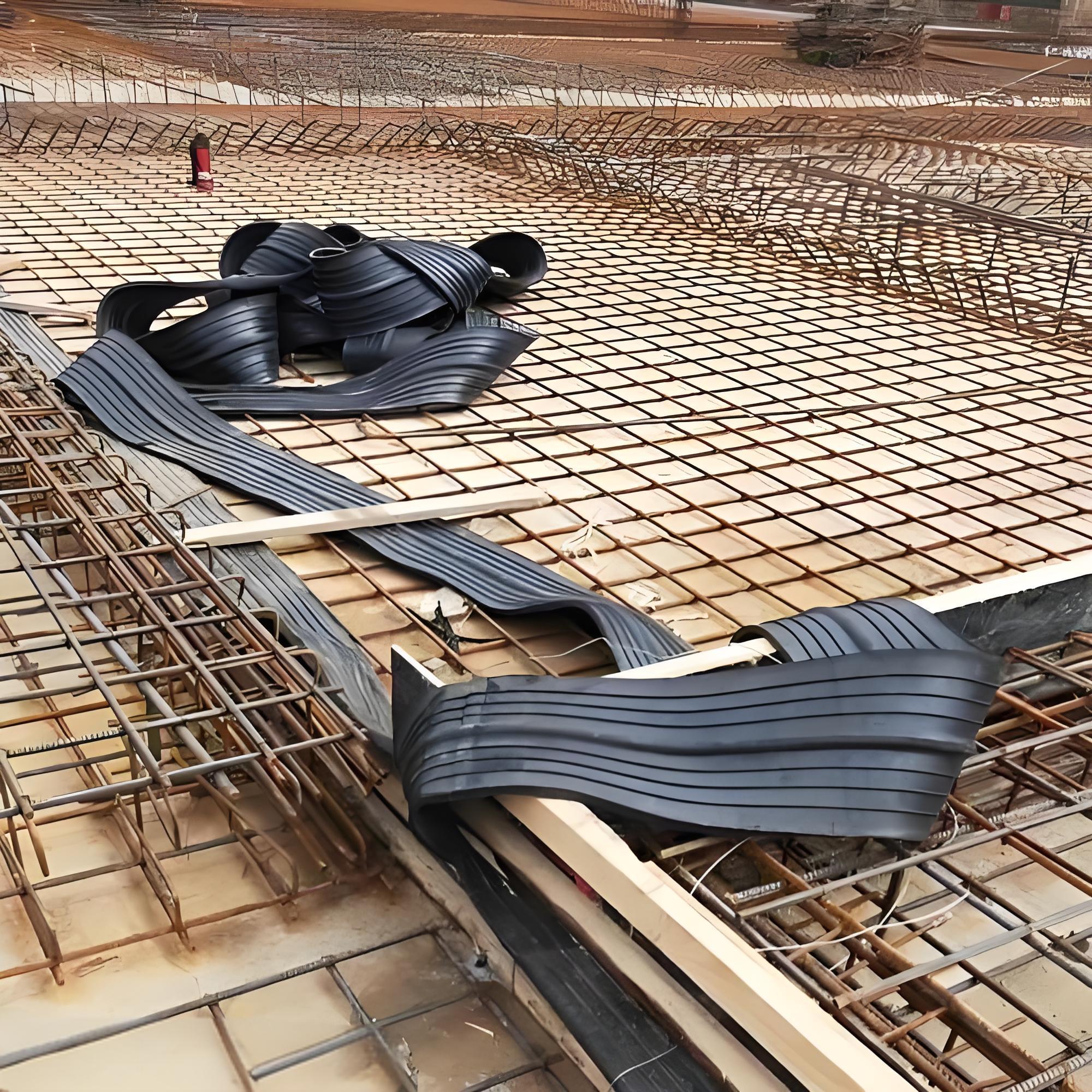
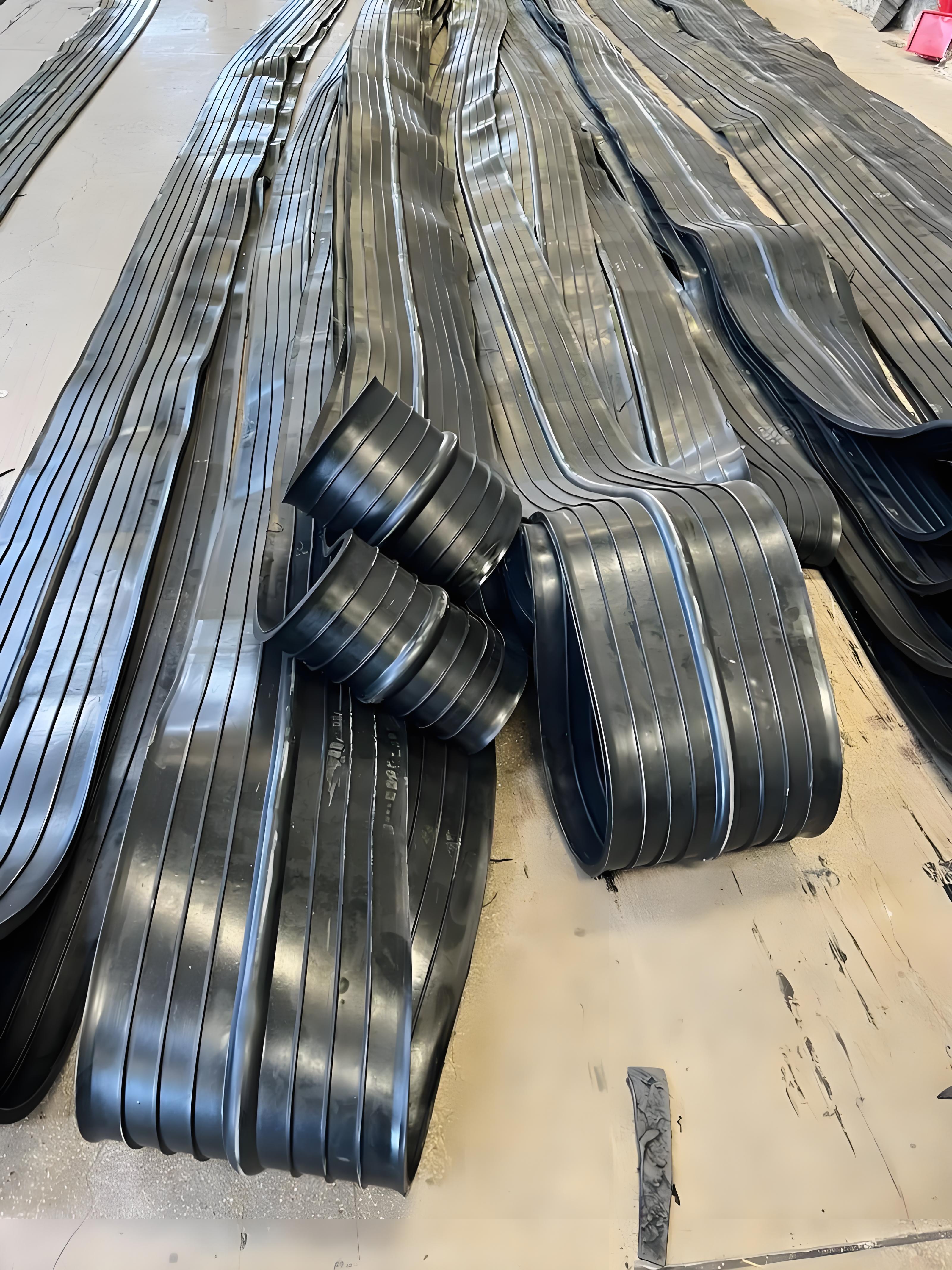
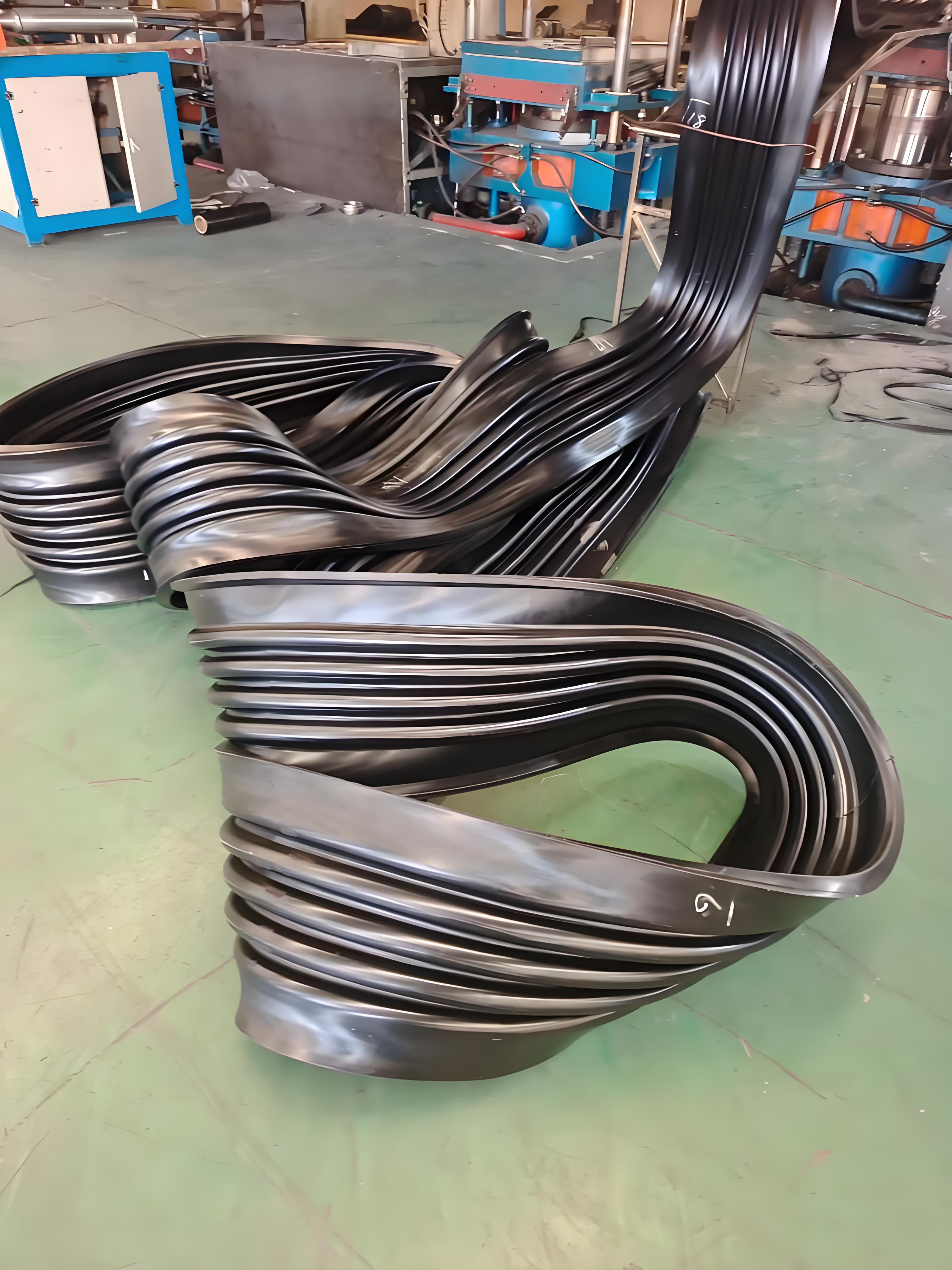
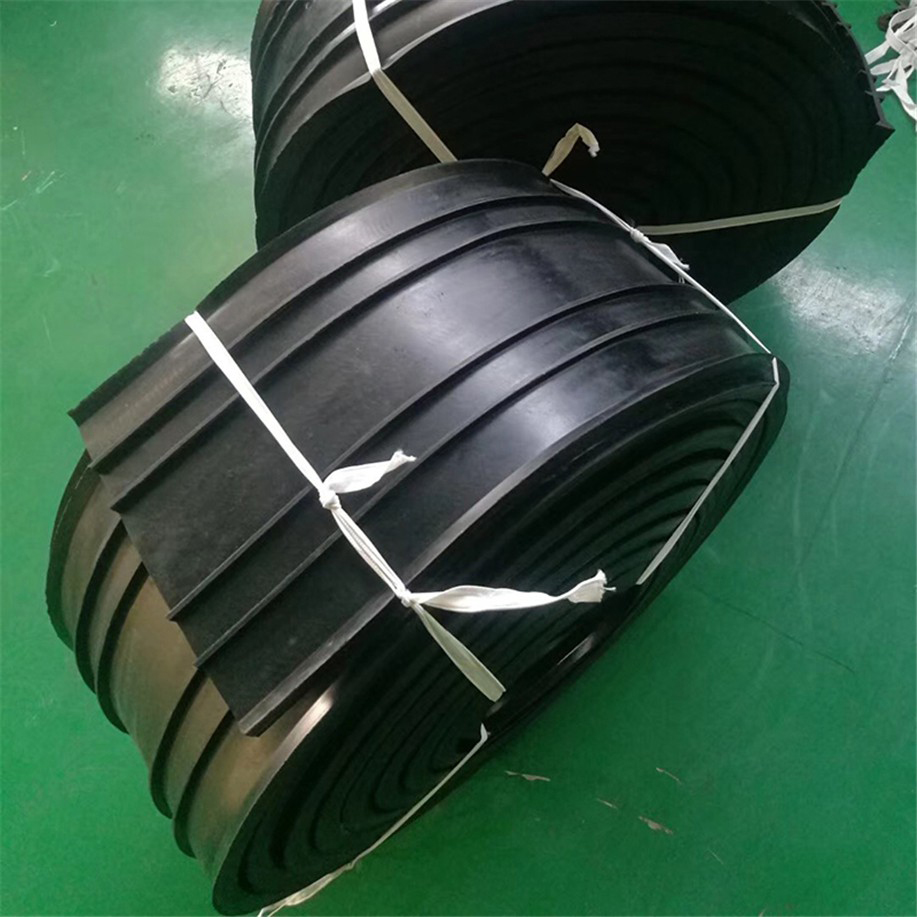
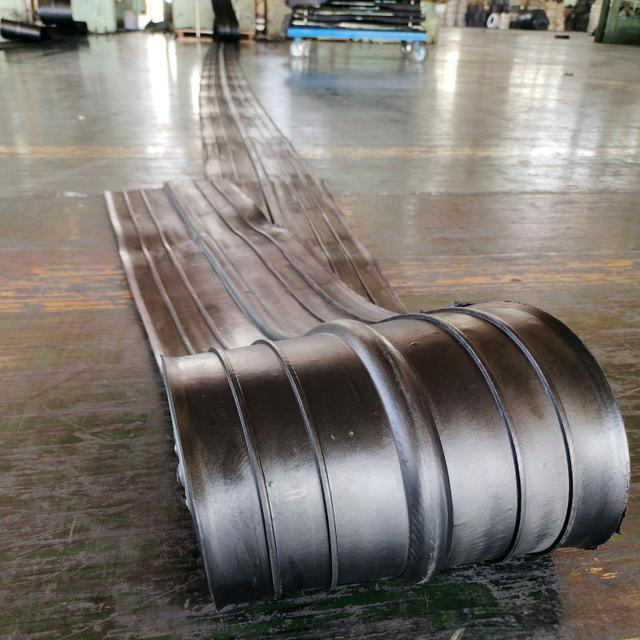
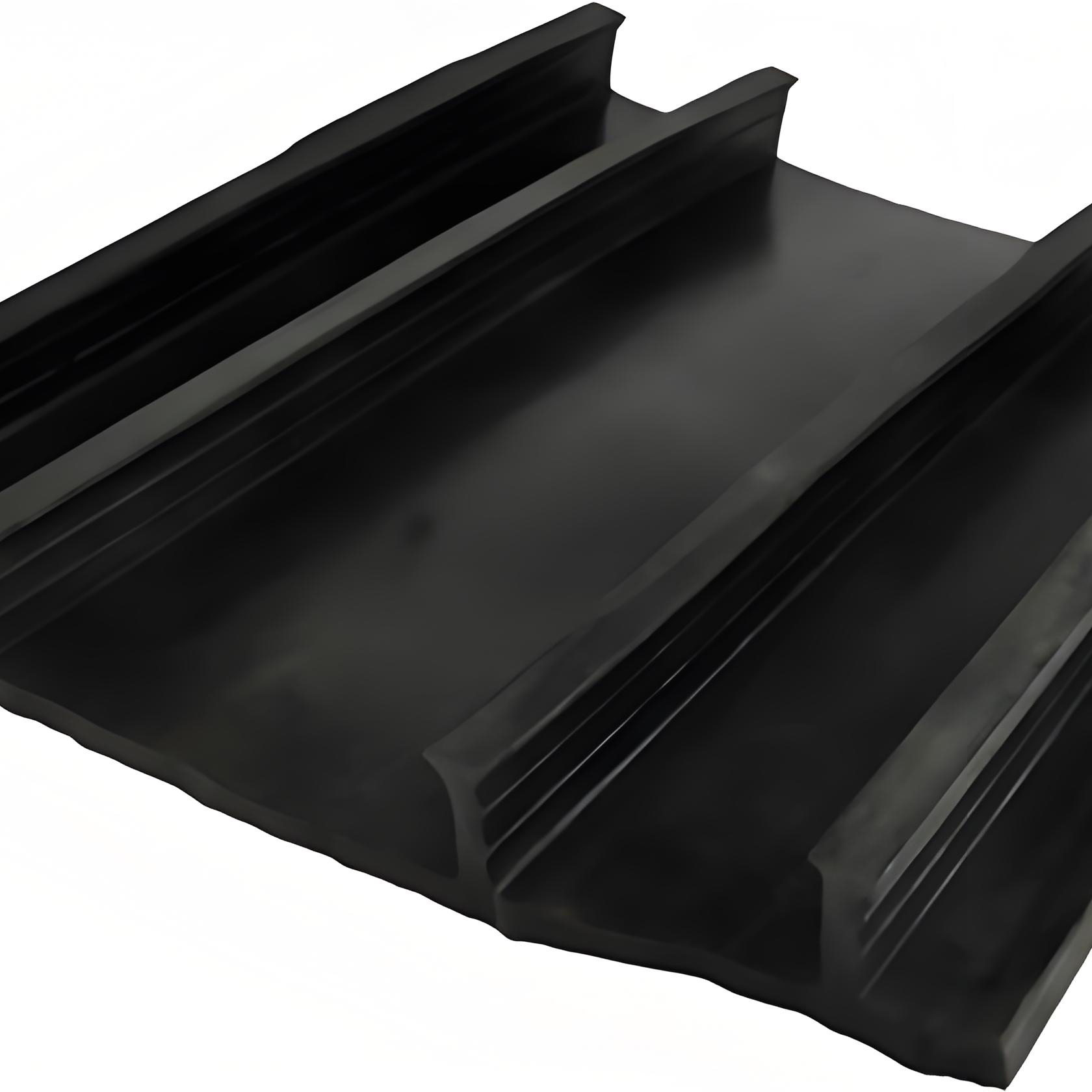
A flexible waterproof sealing strip made of synthetic rubber (e.g., EPDM, Neoprene, or Natural Rubber), designed to prevent water leakage at construction joints in concrete structures (e.g., dams, tunnels, basements).
Centerbulb Waterstop
Hollow "bulb" compresses to seal under hydrostatic pressure.
Used for dynamic joints (movement ±15mm).
Flat Ribbed Waterstop
Surface ribs enhance bonding with concrete.
For static joints (minimal movement).
Dumbbell Waterstop
Dual bulbs for high-pressure zones (e.g., reservoir walls).
Expansive Waterstop
Contains water-swelling additives (e.g., bentonite) for self-sealing cracks.
| Rubber Type | Advantages | Limitations |
|---|---|---|
| EPDM | Excellent UV/ozone resistance | Poor oil resistance |
| Neoprene | Good chemical/oil resistance | Higher cost |
| Natural Rubber | High elasticity | Degrades in sunlight |
Typical Dimensions:
Width: 150–400 mm
Thickness: 5–15 mm
Tensile Strength: ≥10 MPa (ASTM D412)
Embedment:
Must be fully encased in concrete (no exposed sections).
Splice joints require vulcanization or adhesive bonding.
Joint Types:
Construction Joints: Centerbulb profile (allows movement).
Expansion Joints: Dumbbell profile (handles shear stress).
Compatibility:
Avoid contact with petroleum-based solvents (degrades rubber).
ASTM D4635 (Rubber waterstop physical testing)
GB 18173.2 (Chinese standard for waterstops)
EN 14841 (European waterstop specifications)
Performance Metrics:
Watertightness: ≥0.8 MPa pressure resistance (per ASTM D5385).
Elongation at Break: ≥300% (ensures flexibility).
Consultation Hotline:
+86 13889850231
Email:sales01@xzhch.com
Address:No.33, Nan'er Road, Heping District, Shenyang, Liaoning Province
Copyright © 2002-2025 非商用版本 Registration:Liaoning ICP record